Technology is advancing at an unprecedented pace in human history, redefining how societies function and how businesses and individuals interact with the world. Many emerging technology trends that once seemed futuristic have now become part of everyday reality.
As digital innovation accelerates, awareness and understanding of these trends are becoming essential for organizations, professionals, and policymakers who seek to remain competitive in an increasingly fast-paced global landscape.
Artificial Intelligence and Automation
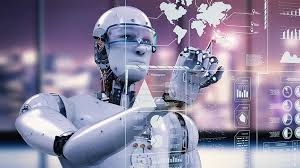
Artificial intelligence stands at the forefront of modern technological innovation. From intelligent automation to advanced data analysis, AI is transforming industries by enhancing efficiency, accuracy, and scalability.
Technologies such as machine learning, natural language processing, and intelligent systems are now widely applied across sectors including business, education, and healthcare. As AI continues to evolve, its role in driving productivity, innovation, and informed decision-making continues to expand.
Cloud Computing and Digital Infrastructure
Express Computer
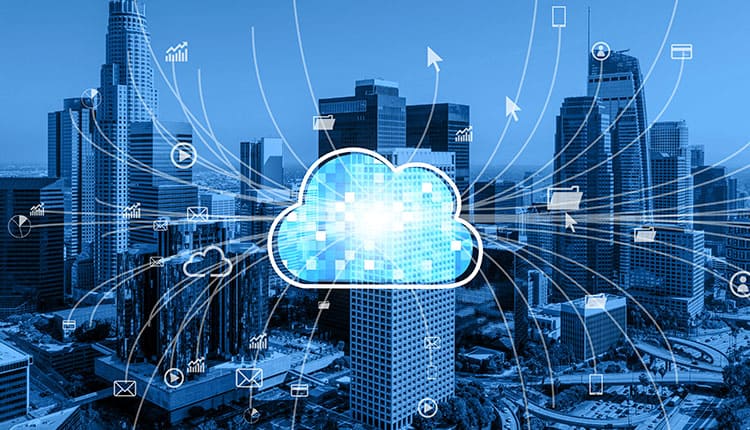
Cloud computing has become a foundational component of modern technology infrastructure. Organizations are increasingly moving away from traditional on-premise systems toward cloud-based solutions due to their flexibility, scalability, and cost efficiency.
Advancements in cloud technology enable faster deployment of digital services, support remote collaboration, and enhance data accessibility. As digital transformation progresses, cloud computing remains a critical enabler of innovation and operational resilience.
The Growing Impact of Emerging Technologies
Beyond individual technologies, the combined impact of emerging innovations is reshaping global industries and societies. Technology is influencing how people work, communicate, and access information, creating new opportunities as well as new challenges.
To navigate this evolving digital environment, stakeholders must prioritize adaptability, digital literacy, and responsible innovation. Understanding emerging technology trends is key to building a future that is both technologically advanced and socially sustainable.
Examples of Latest Technology Trends
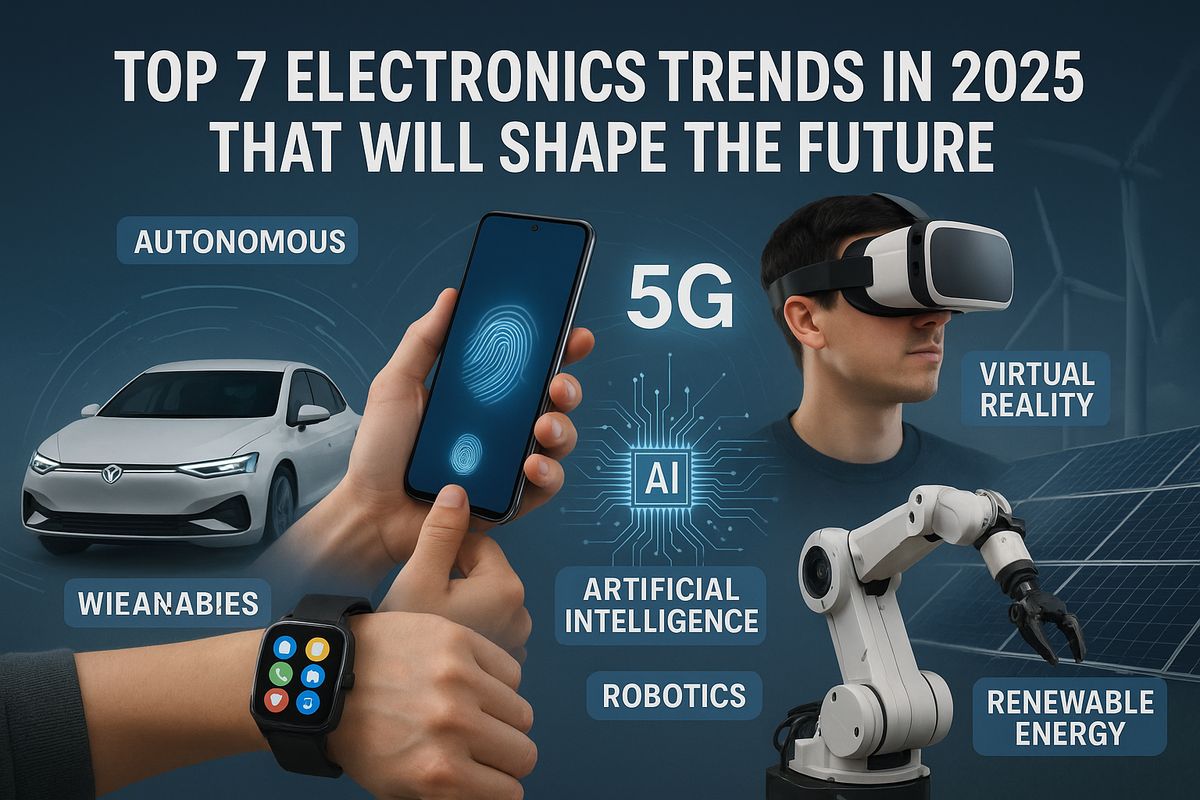
Several cutting-edge technologies are currently shaping the future of digital transformation across industries. Generative Artificial Intelligence, such as large language models and AI-powered content systems, is revolutionizing how information is created, analyzed, and delivered. These technologies are widely adopted in education, marketing, software development, and customer service.
Another rapidly emerging innovation is the Internet of Things (IoT), which enables interconnected devices to collect and exchange real-time data. IoT applications are increasingly visible in smart cities, healthcare monitoring, industrial automation, and energy management.
Additionally, Blockchain technology continues to gain relevance beyond cryptocurrency. Its decentralized and secure architecture is being utilized for digital identity verification, supply chain transparency, and secure data sharing. Meanwhile, advancements in cybersecurity technologies are becoming essential as digital systems grow more complex and interconnected.
Conclusion
Technology continues to evolve at an extraordinary pace, reshaping how individuals, organizations, and societies operate in a digital-first world. From artificial intelligence and cloud computing to emerging innovations such as IoT and blockchain, technological advancement is driving efficiency, connectivity, and new forms of value creation.
To remain competitive and resilient, organizations and professionals must stay informed about emerging technology trends while embracing adaptability and continuous learning. When innovation is guided by responsible implementation and strategic vision, technology has the potential to create sustainable growth and a more connected global future.